
Uncategorized
Renewable Energy 101: Understanding the Benefits of Solar and Electric Vehicles
February 24, 2026
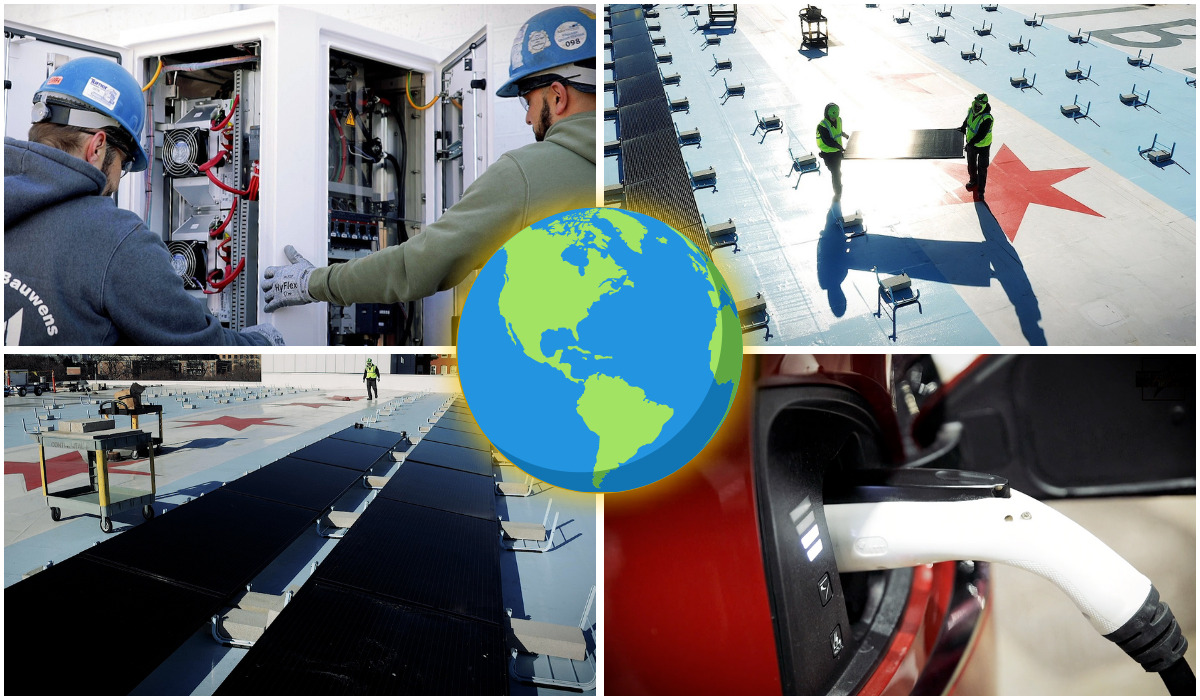
In 2022, over 10 million electric vehicles (EVs) were sold globally, and as of 2023, EVs make up about 2.88 million cars on the United States roads. While EVs have become increasingly popular over the last few years, they aren’t the only renewable energy that has seen a significant increase in the rate of adoption. From 2024 to 2025, solar power generation in the United States is expected to increase by 75%. While it remains clear that renewable energy will continue to grow in the future, you may be asking yourself, why should I consider renewable energy?
It’s important to recognize that renewable energy technologies, such as solar photovoltaic (PV) energy systems, battery storage, EVs and EVSE charging infrastructure, have many benefits, including:
- Positive Environmental Impact
- The Environmental Defense Fund analysis has found that a shift to electric vehicles could reduce 800 million tons of CO2 emissions every day by 2040. To put it in perspective, that is more than Canada’s yearly carbon footprint.
- Solar energy is considered environmentally friendly since it doesn’t emit greenhouse gasses, generates no waste, does not contaminate the water supply, and allows for a reduction in dependence on fossil fuels. In fact, by 2050, solar panels made and used in the United States will be more efficient and will reduce the carbon footprint by 33%.
- Government Rebates and Incentives
The government offers rebates and incentives to those purchasing EVs and installing solar and EVSE infrastructure on their property. Some of these include:
- The Alternative Fuel Vehicle Refueling Property Credit: consumers and businesses installing qualified vehicle refueling and recharging property in low-income or non-urban census tracts may also be eligible for tax credits up to $100,000.
- The Inflation Reduction Act: offers a 30% tax credit available specifically for energy storage systems.
- The Illinois Environmental Protection Agency (EPA): is issuing rebates to public and private entities for the installation and maintenance of Level 2 or 3 charging stations. Rebates may cover up to 80% of the eligible project costs.
- The Illinois Clean Energy Community Foundation: awards grants to those who apply with projects that align with the goal of net-zero. Over a time span of 16 years, ICCF has allocated approximately 5,000 grants, totaling around $258 million to municipalities, local and state government agencies, non-profit organizations, and schools. Grant applications are found on their website.
- Cost-effective
- The Department of Energy highlights EV owners could save between $800 and $1,000 annually by charging their vehicles at home or a local business rather than refueling at a gas station.
- Electric vehicles are 40% less costly to maintain than gas-powered vehicles. This means that throughout the vehicle’s lifetime, you are saving thousands of dollars, as tune-ups and part replacements are significantly cheaper.
- The average family will save around $9,000 over the lifetime of their solar power system, while commercial entities can save an average of 75% on the cost of their energy bill.
- Low Maintenance
- Solar panels require little ongoing maintenance. In fact, new solar panels that are correctly built and installed can last up to 30 years. Additionally, all modules carry industry-standard 25-year warranties.
- EVs typically require less maintenance than gas-powered vehicles for a number of reasons, including:
- There are fewer fluids, such as engine oil.
- Brake wear is significantly reduced due to regenerative braking
- There are far fewer moving parts relative to a conventional fuel engine.
- The battery, motor, and associated electronics require little to no regular maintenance
Do you have more questions, or are you interested in discovering the rebates and incentives you may qualify for? Download our FREE resources to learn more:
Powering Chicago’s team is here to help you navigate the process and make informed decisions about your renewable energy choices. Contact us today with any additional questions you may have about getting started. If you’re located in the Chicagoland area and looking for a licensed, qualified electrical contractor for your next project, use our Find a Contractor Tool.